
Gas Piping
- Natural gas piping and headers
- Hot taps on live gas lines
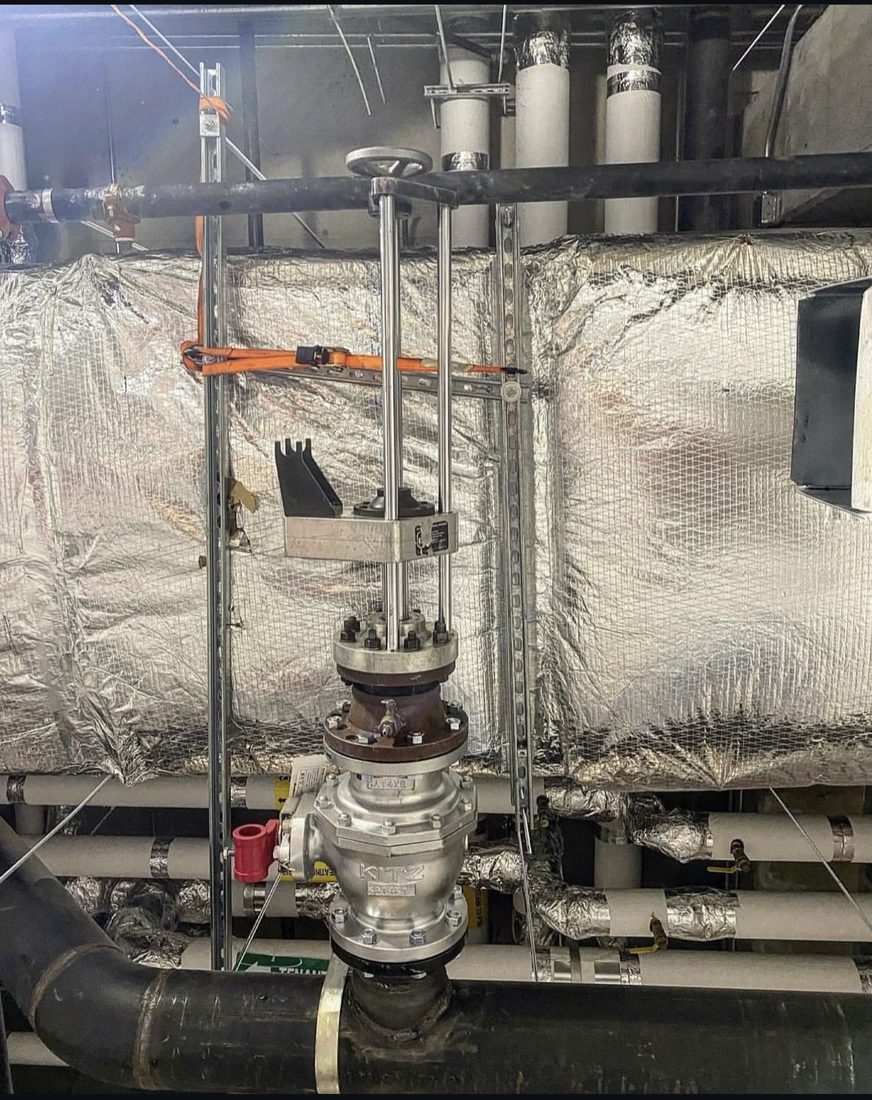
Hot tapping is a branch connection made into a pipe that stays pressurized and in service. A fitting is welded to the live pipe, a valve is mounted on the fitting, and a tapping machine cuts through the pipe wall through that valve — so the system is never drained, depressurized or shut down. The connection is permanent and becomes part of the system.
We hot tap water, steam, gas and process piping on most services and pressures, in sizes up to 12″, under TSSA certificate QA-03336 for hot tapping and line stopping, shop and field. That includes live natural gas mains, which we tap under our TSSA Fuels Contractor Registration as well as QA-03336. If a shutdown would cost more than the work itself — in lost production, lost heat, or lost supply — this is how the connection gets made.
A cost and risk comparison, not a preference. Worth answering before you book downtime.
| Consider a hot tap when | A shutdown may still be the better route when |
|---|---|
| Production, heat or supply stops the moment the line comes down | The system is coming down anyway for other scheduled work |
| Draining and refilling is itself costly — large loops, treated water, systems needing re-certification after refill | Several connections are needed at once and the outage amortises across all of them |
| There is no isolation valve upstream of where you need to connect | The pipe is in poor condition and welding on it live is not appropriate |
| The shutdown window you would need does not exist in the schedule | Access at the tap location is genuinely unworkable |
| Coordinating an outage across tenants, departments or a municipality is the hard part | The connection detail falls outside what can be done live |
We will tell you which one your job is. If a hot tap is not the right answer for your system, that is useful to find out at quotation stage.
What we can tap, and the limits we work within.
| Maximum size | Up to 12″ |
| Maximum pressure | Up to 1,400 psi |
| Maximum temperature | Up to 250 °C (482 °F) |
| Pipe materials | Carbon steel, stainless steel, copper, ductile iron, plastic and most other pipe materials — the method varies with the material |
| Services | Water, steam, natural gas and process piping |
| Authorization | TSSA QA-03336, hot tapping and line stopping, shop and field |
Outside those limits, or unsure where your system sits? Send the details — we will tell you either way.
Live connections made without taking the system down — gas mains, chilled water, steam and process piping across the GTA.
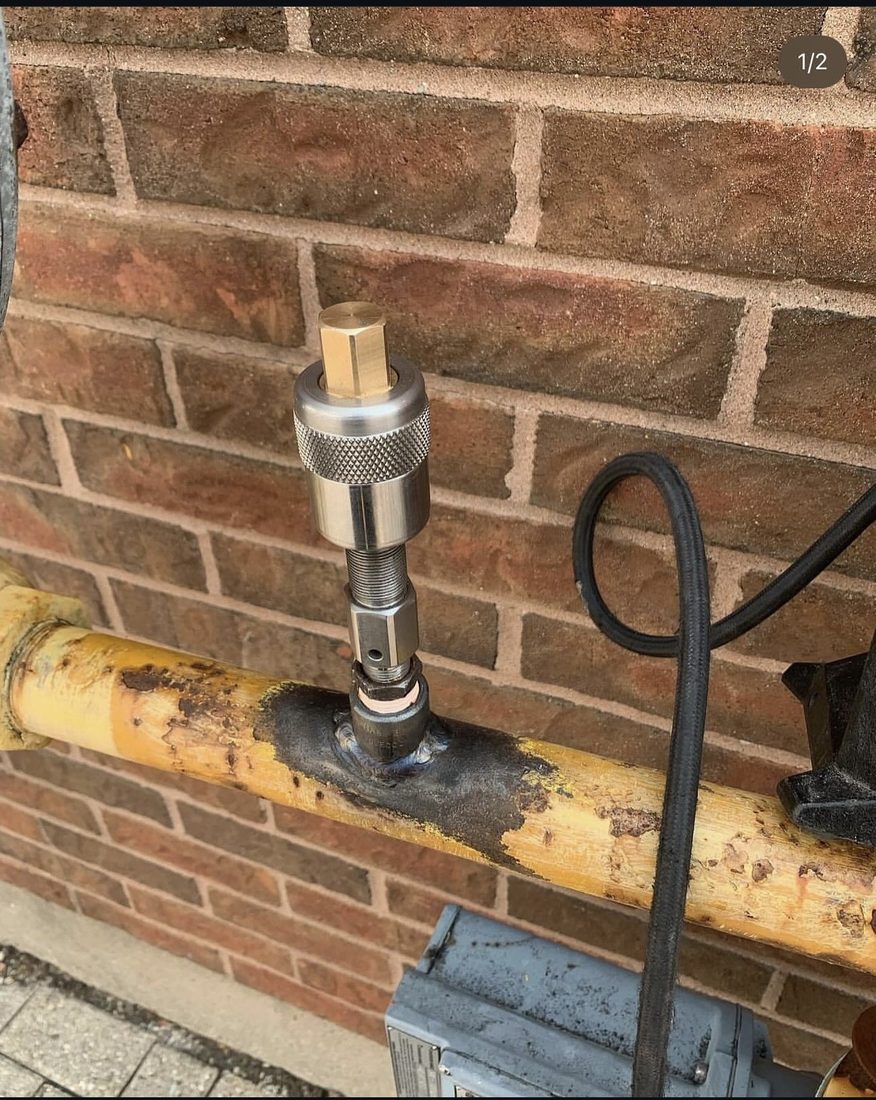
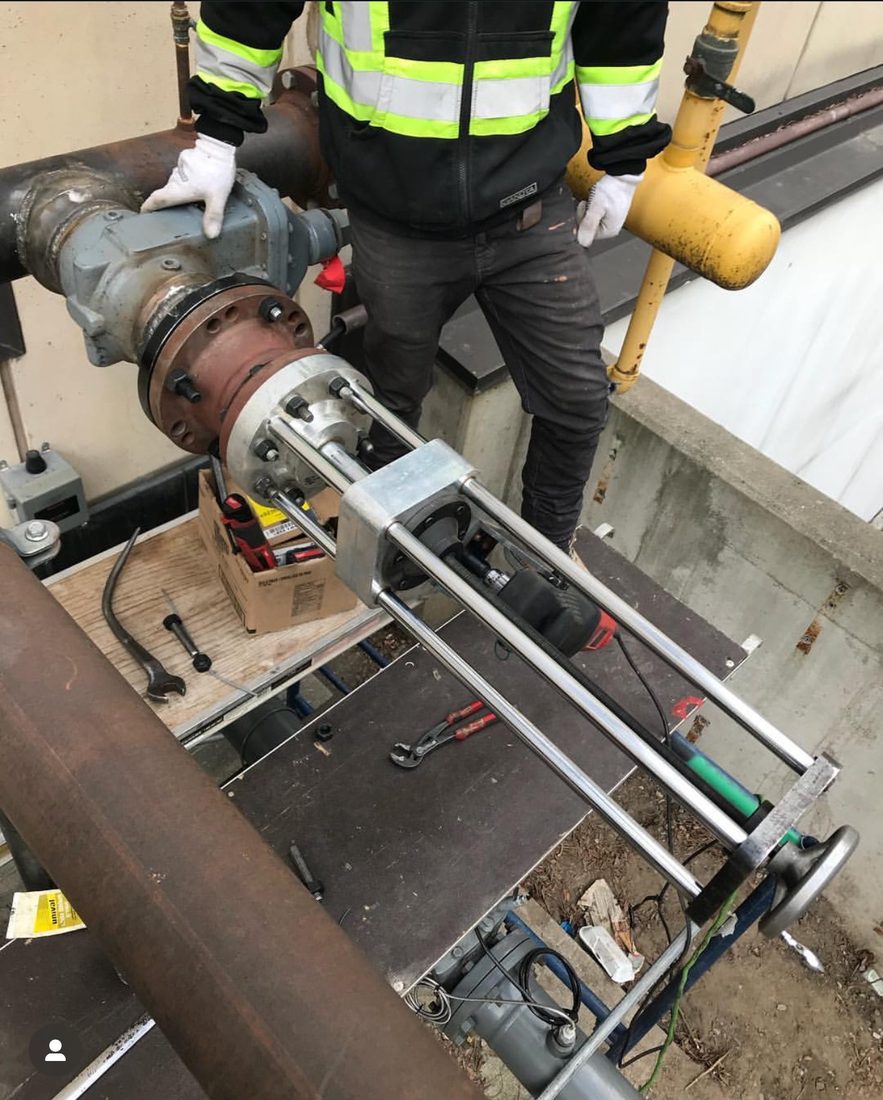
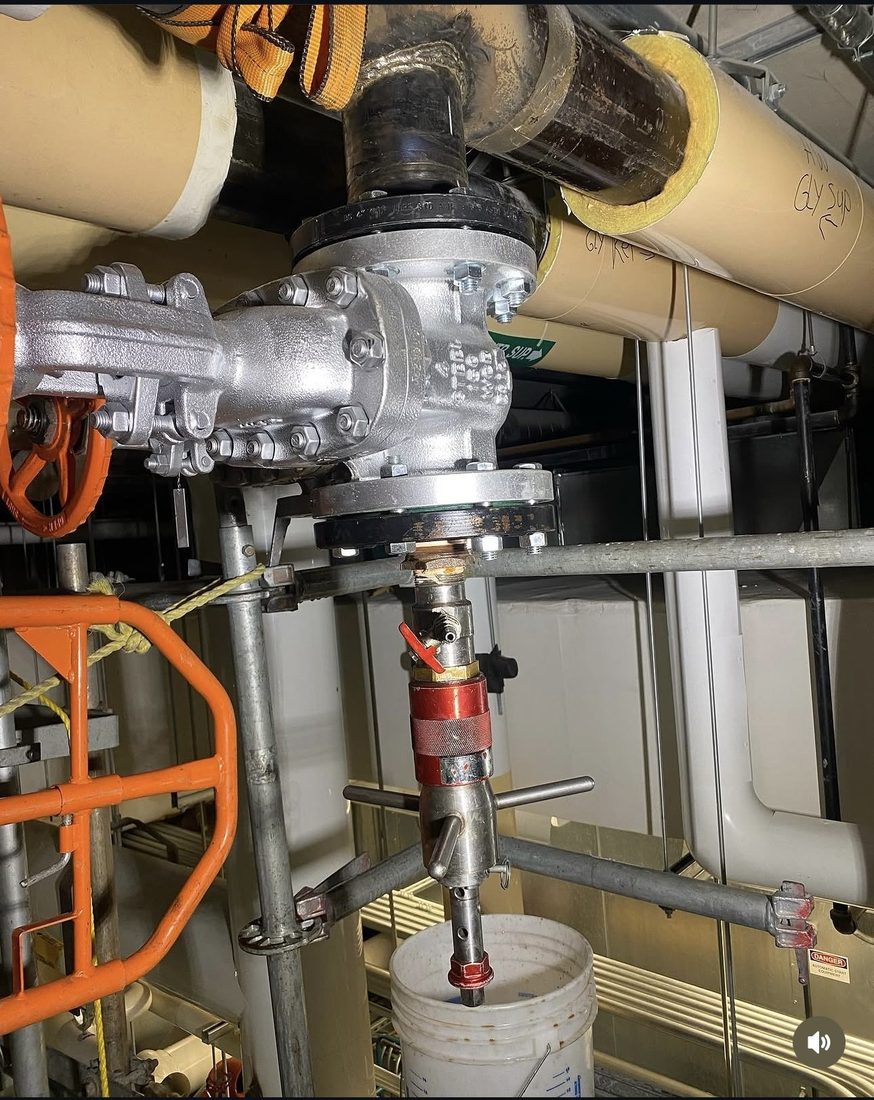
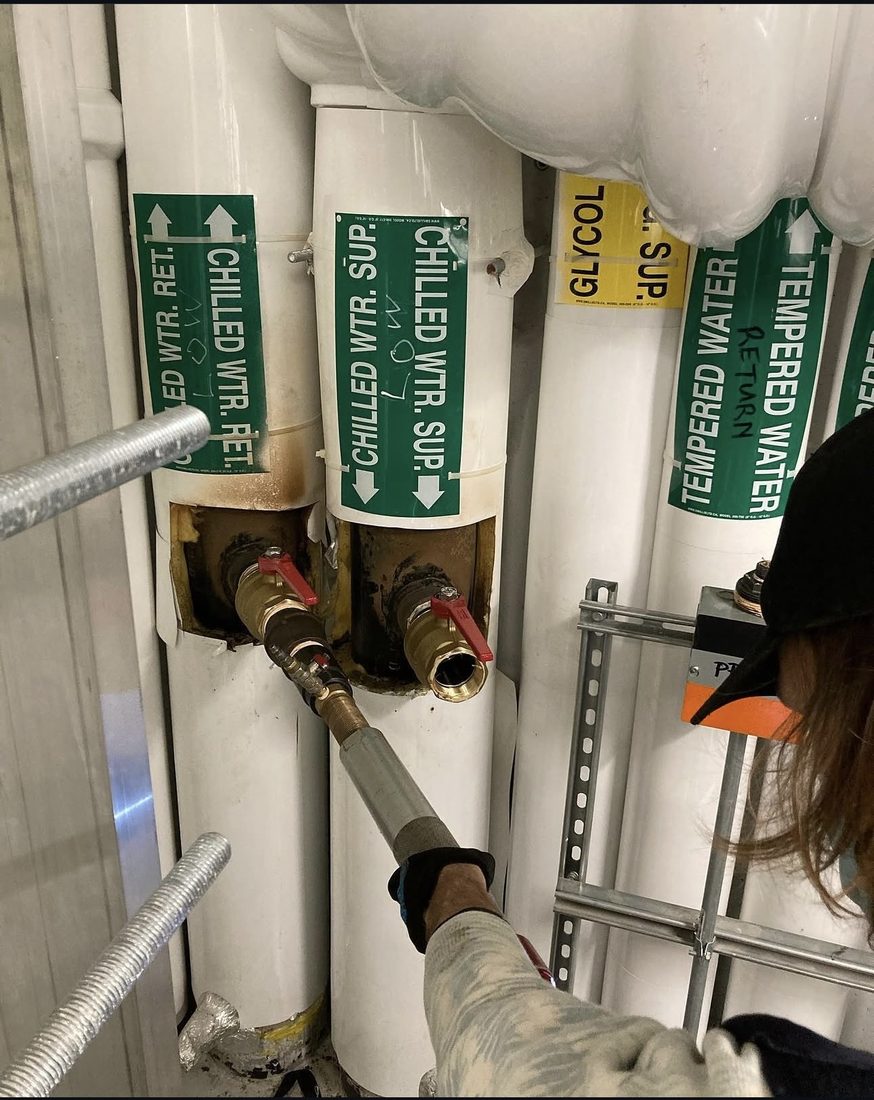
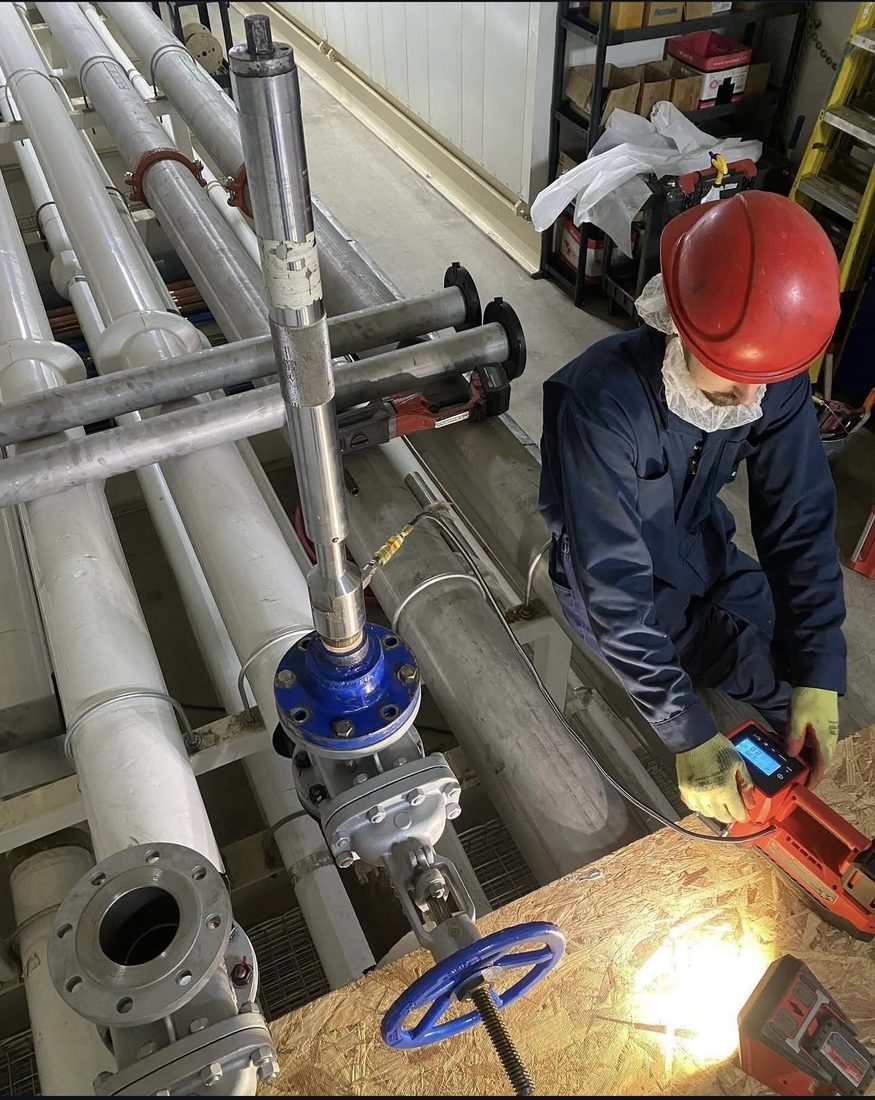
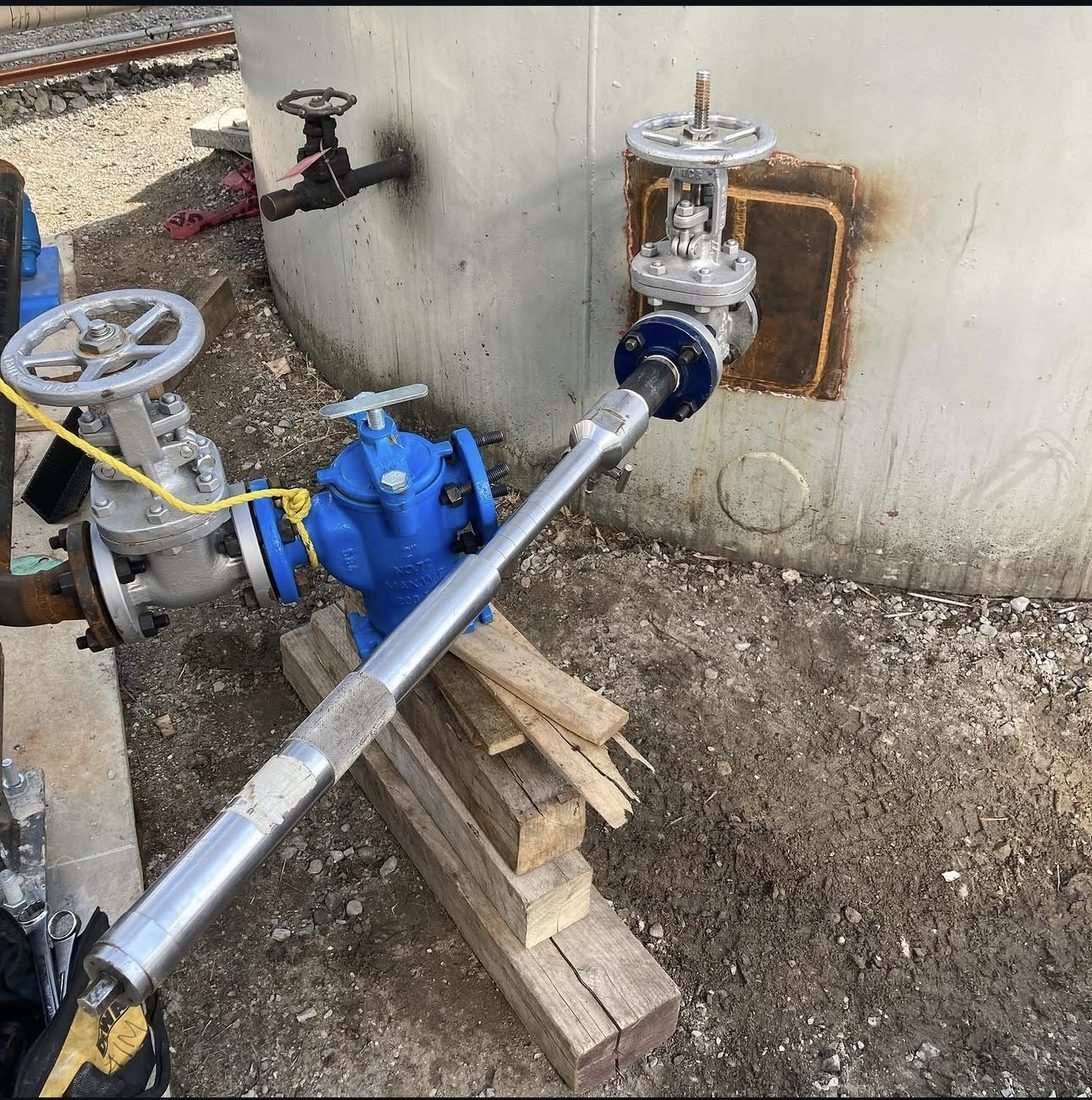
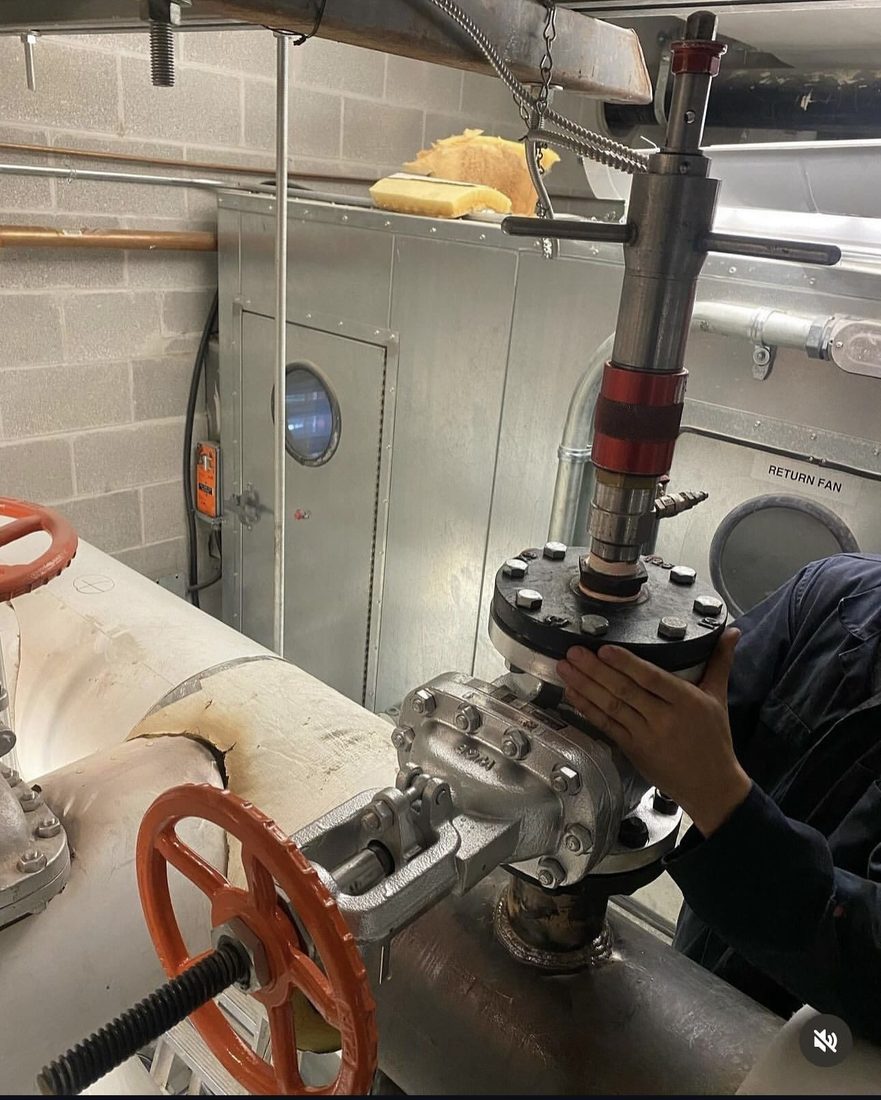
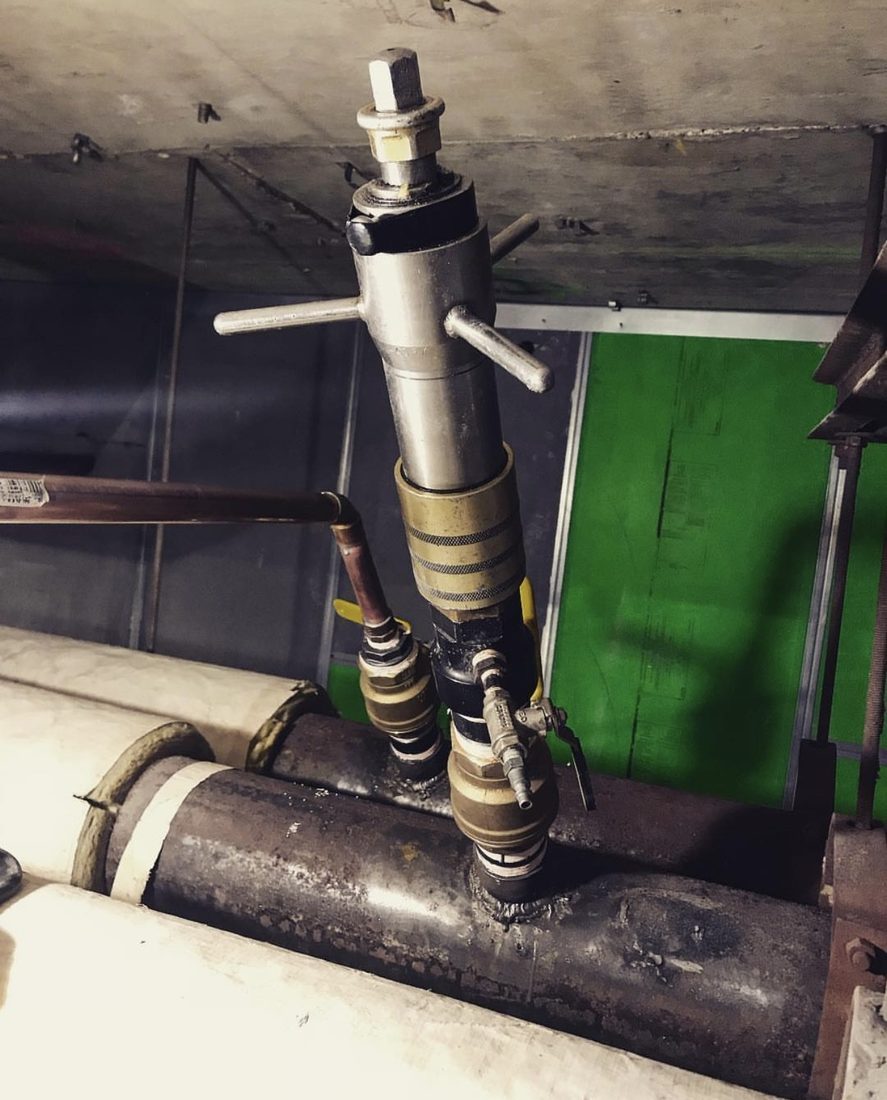
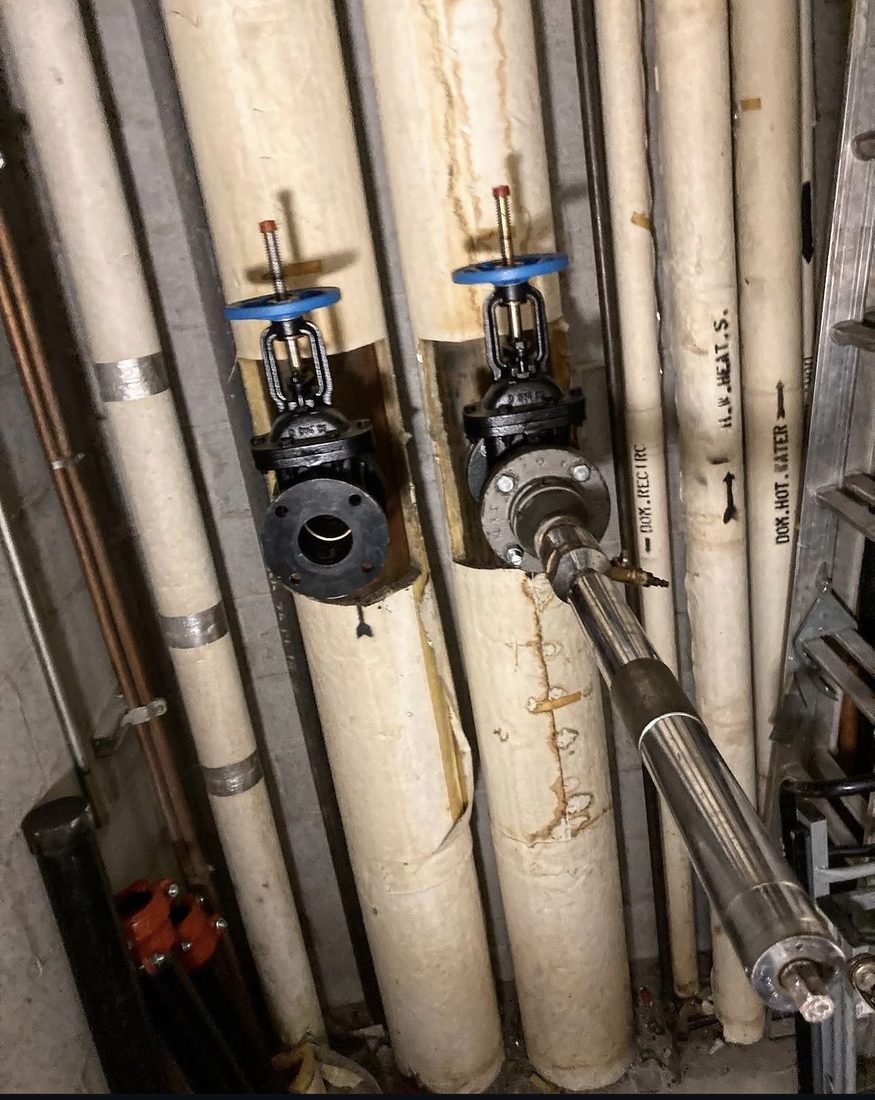
Yes. That is the entire purpose of hot tapping. The system stays pressurized and flowing while the branch connection is welded on and cut in.
Up to 12″.
Up to 1,400 psi and up to 250 °C (482 °F). Most plant and building systems sit well inside that. If yours is close to the limit, send the operating conditions and we will confirm.
Carbon steel, stainless steel, copper, ductile iron, plastic and most other pipe materials. The method changes with the material, so tell us what the line is made of when you enquire.
Water, steam, natural gas and process piping systems. New branch connections on in-service mains, valve installations on live lines, and metering and instrumentation connections are the most common applications we are called for.
Performed under the right authorization, with a qualified welding procedure and a welder qualified to it, it is routine, controlled work — and in Ontario it requires a TSSA Certificate of Authorization specifically for hot tapping and line stopping, which is separate from general pressure piping installation. IMW holds it: QA-03336, shop and field. The risk in hot tapping is not the technique; it is having it done by a crew that is not authorized or qualified for it.
A hot tap creates a new permanent branch connection into a live pipe. A line stop temporarily blocks flow inside a live pipe so work can be done beyond the stop. Every line stop begins with a hot tap, but most hot taps are not line stops. Full comparison here.
No. The cutter retains the coupon and it is withdrawn with the tool.
It depends on line size, service, pressure, access and what the branch has to carry. The useful comparison is not the cost of the tap on its own — it is the cost of the tap against the cost of the downtime it avoids, which is frequently the larger number by some margin. Send the system details for a quote.
Yes, under QA-03336 together with our TSSA Fuels Contractor Registration. See gas piping.
International Mobile Welding works from Nobleton, Ontario across Toronto, the Greater Toronto Area and north into cottage country, with dedicated hot tapping technicians rather than general crews reassigned to it. See our certifications.
Work we are usually asked about alongside hot tapping services.
Send drawings and specs, or just describe the system — our team will respond quickly.